
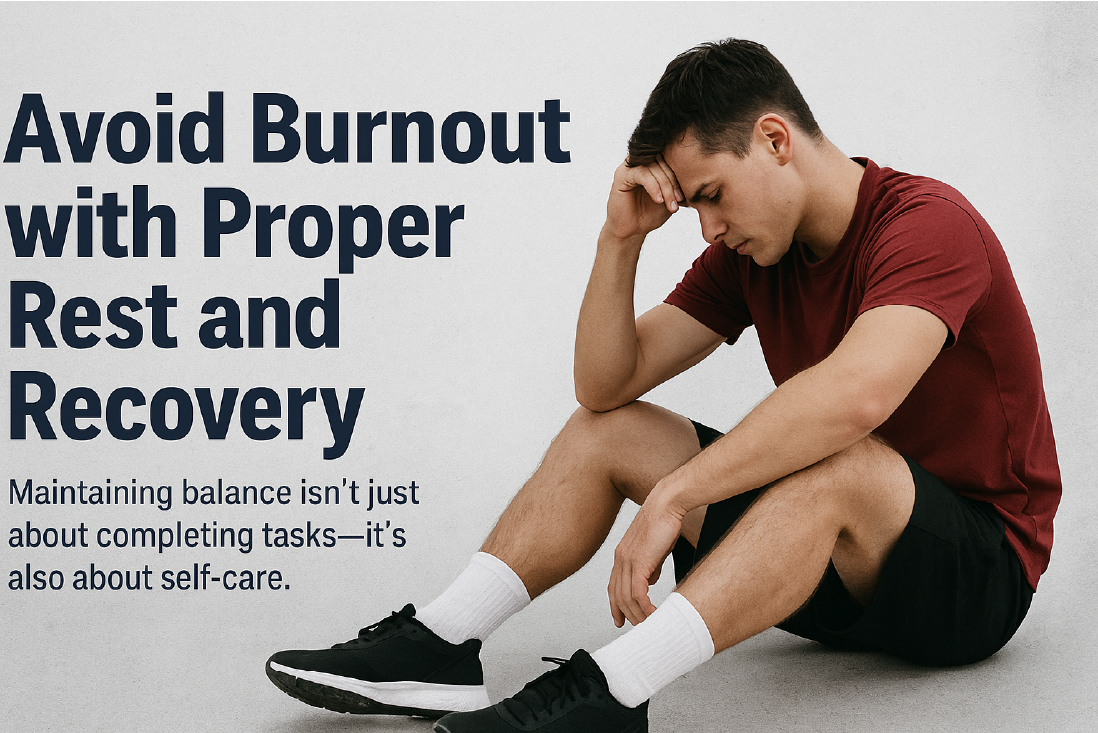
For student-athletes, achieving success requires more than talent, discipline, and hard work—it also demands a focus on holistic well-being. While rigorous training schedules and academic responsibilities can be fulfilling, overloading the schedule without adequate rest can lead to burnout, which negatively impacts both athletic performance and academic achievement.
At TUMAGASE Consulting, we emphasize that self-care, recovery, and proper nutrition are just as important as practice and study, as they form the foundation for long-term success.
Burnout often occurs when student-athletes push themselves too hard without allowing sufficient time for mental and physical recovery. Chronic fatigue, decreased motivation, and poor concentration can all result from overtraining or overcommitment to academics. One of the simplest yet most effective ways to prevent burnout is by ensuring adequate sleep. Sleep is critical for physical recovery, muscle repair, and cognitive function, and athletes who prioritize rest are better able to focus, retain information, and perform at their peak. In addition to sleep, nutrition plays a vital role in maintaining energy levels and supporting recovery. A balanced diet rich in complex carbohydrates, lean proteins, healthy fats, and essential vitamins helps the body repair muscles, strengthen the immune system, and sustain focus throughout long days of training and studying. Staying properly hydrated is equally important—dehydration can cause fatigue, muscle cramps, and decreased concentration, all of which can hinder both athletic and academic performance.
Scheduling rest days or lighter training sessions during high-demand academic periods is also essential. For example, during exam weeks or project deadlines, adjusting the intensity of practice can help athletes maintain their energy levels while still staying engaged with their sport. This balance allows student-athletes to meet both their educational and athletic commitments without feeling overwhelmed.
Incorporating stress-relieving activities is another important strategy. Simple practices such as meditation, yoga, light exercise, or engaging in hobbies can help reduce anxiety, enhance focus, and promote overall mental well-being. Even short breaks for mindfulness or creative pursuits can make a significant difference in preventing mental and emotional fatigue.
TUMAGASE Consulting takes a holistic approach to athlete development, recognizing that long-term success is achieved not only through training and academics but also through proper care of the mind and body. By guiding student-athletes to integrate rest, recovery, nutrition, and stress management into their routines, we help them maintain high performance levels while avoiding the pitfalls of burnout.
In conclusion, avoiding burnout is not about reducing effort but about strategically balancing effort with recovery and nourishment. Prioritizing sleep, maintaining proper nutrition, scheduling rest, and incorporating stress-relieving practices are key to sustaining peak performance both academically and athletically. With the right guidance and support, student-athletes can thrive in all areas of their development, reaching their goals while maintaining their health and well-being.